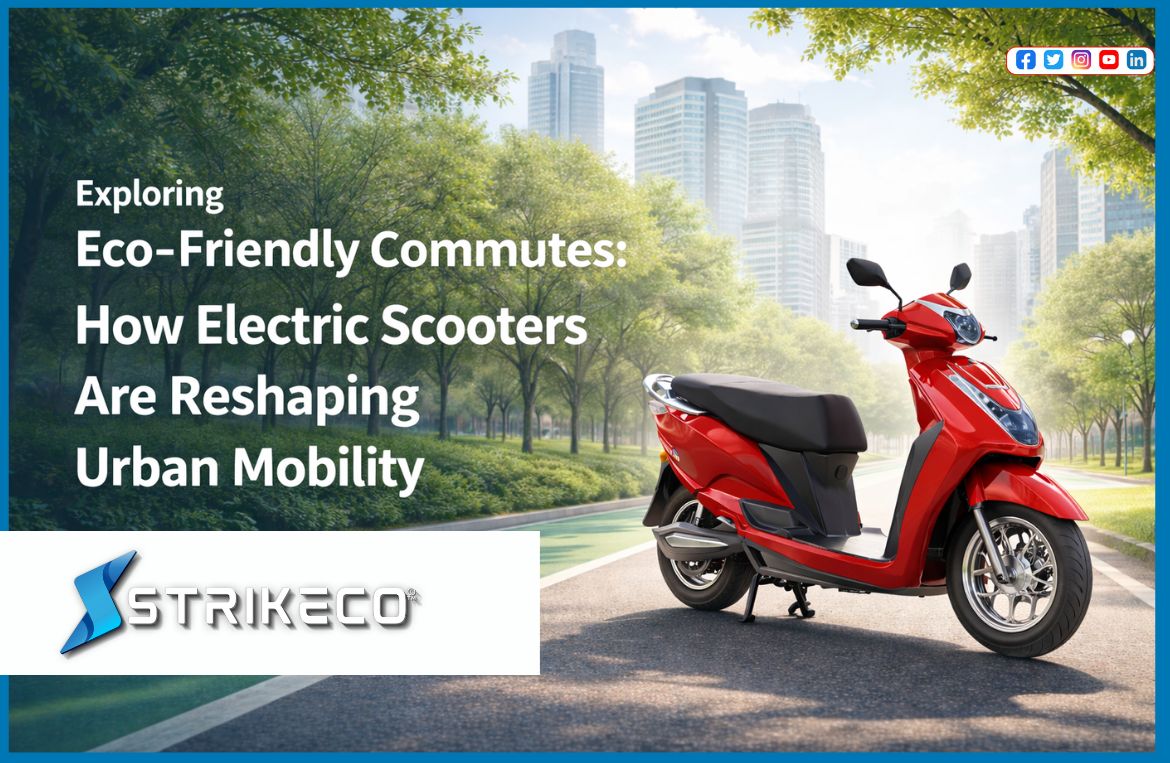
Urban commuting in India is undergoing a major transformation. With rising traffic congestion, worsening air quality, and increasing fuel prices, city dwellers are actively searching for smarter and more sustainable ways to travel. In this shift toward eco-friendly transportation, electric scooters in India have emerged as a practical and impactful solution.
Electric scooters are no longer viewed as niche or experimental vehicles. They are reshaping how people move within cities—offering cleaner, quieter, and more cost-effective mobility. This blog explores how electric scooters are redefining urban commuting and why they are becoming central to the future of sustainable cities.
India’s cities are expanding rapidly, and with that growth comes increased pressure on transportation systems. Petrol-powered vehicles contribute significantly to air pollution, traffic noise, and carbon emissions.
Urban commuters today face challenges such as:
These issues have made sustainable transportation not just desirable, but necessary. Electric scooters provide a cleaner alternative that aligns with modern urban needs.
Electric scooters stand out as an environmentally responsible mode of transport for several reasons:
Together, these factors make electric scooters an effective step toward greener urban mobility.
Most urban trips in India are short—often under 20–30 km per day. Electric scooters are ideally suited for such daily travel.
They offer:
By reducing dependence on fuel stations and minimizing travel stress, electric scooters simplify everyday commuting.
One of the biggest drivers behind the popularity of electric scooters in India is affordability over time.
Key cost benefits include:
For daily commuters, these savings add up significantly over the years, making electric scooters a financially sensible choice.
Vehicle emissions are a major contributor to poor air quality in Indian cities. By replacing petrol scooters with electric ones, cities can gradually reduce harmful pollutants.
Benefits include:
As adoption grows, electric scooters can play a meaningful role in improving urban living conditions.
Government initiatives have accelerated the transition to electric mobility. Policies supporting electric scooters include:
With more charging points being installed across cities, range anxiety is steadily decreasing, making electric scooters more practical for everyday use.
Urban consumers are becoming more conscious of their environmental impact. Younger riders, professionals, and families are increasingly choosing electric scooters as their primary mode of transport.
Key mindset shifts include:
Electric scooters are now seen as modern, responsible, and reliable commuting solutions.
Despite the advantages, challenges remain:
However, improvements in battery technology, charging infrastructure, and awareness are steadily addressing these concerns.
Electric scooters are more than just personal vehicles—they are shaping the future of urban transportation.
Their impact includes:
As cities evolve, electric scooters will continue to play a key role in building cleaner and more efficient transport ecosystems.
Beyond practicality, electric scooters align with modern urban lifestyles. They are easy to ride, simple to maintain, and fit seamlessly into daily routines.
For many urban residents, choosing an electric scooter represents:
The shift toward eco-friendly commuting is reshaping urban mobility across India. With their low environmental impact, cost efficiency, and suitability for city travel, electric scooters in India are redefining how people move within urban spaces.
As infrastructure improves and awareness grows, electric scooters will continue to replace traditional petrol vehicles, contributing to cleaner air, quieter streets, and more livable cities.
Looking to make your daily commute cleaner, smarter, and more efficient? Explore electric scooters and take the first step toward eco-friendly urban mobility. The future of city travel is electric—start riding responsibly today.

