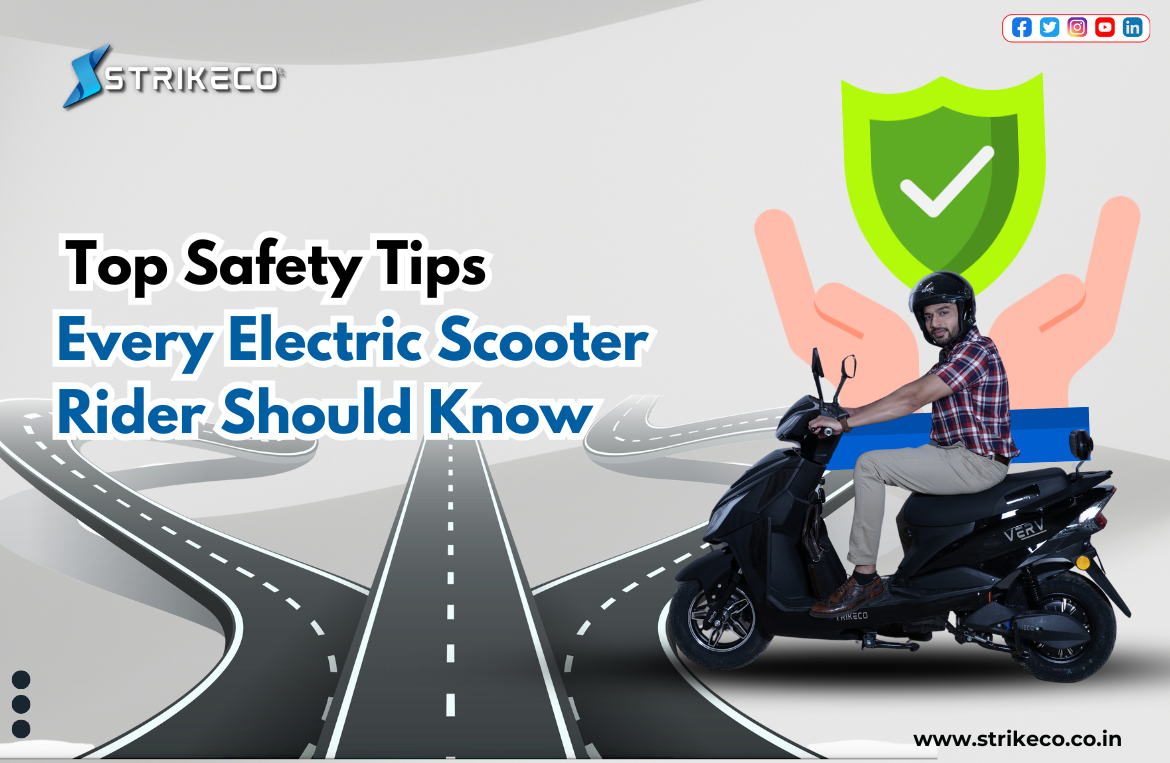
Electric scooters in India are rapidly becoming a popular mode of transportation, revolutionizing urban travel with their eco-friendliness and convenience. As cities grow more congested and air pollution remains a major issue, more people are switching to electric scooters as a viable commuting solution. However, safety is paramount for riders, especially on the busy and often unpredictable roads of India. Here’s a comprehensive guide to staying safe while riding your electric scooter.
The most basic safety precaution when using an electric scooter is to wear a helmet. In India, where road conditions can vary drastically, helmets save lives. Studies have shown that helmets significantly reduce the risk of head injuries during accidents. For added protection, consider wearing gloves, knee and elbow pads, and reflective clothing to enhance your visibility, especially at night or during poor weather conditions.
Helmet Tips:
A quick check before setting out can make a significant difference in your safety. Examine the brakes, tire pressure, battery level, and lights. Look for any visible damage or loose components that could affect your ride. Ensuring your scooter is in top condition prevents unexpected malfunctions, especially in heavy traffic.
Pre-Ride Checklist:
Electric scooter riders must adhere to the same road regulations as other vehicles. This means stopping at traffic lights, yielding to pedestrians, and obeying speed limits. In certain Indian cities, there are additional guidelines specific to electric scooters, such as designated lanes. Staying informed about these laws can keep you safe and help you avoid fines.
Key Traffic Rules for Electric Scooters:
Electric scooters are designed for city commuting, not racing. Always ride at a speed that allows you to react to sudden obstacles, such as a stray animal or a pothole. Maintain a safe distance from other vehicles to give yourself enough time to brake if needed.
Visibility is crucial for safety, particularly in urban environments with heavy traffic. Install both front and rear lights on your scooter. If you often ride at night, reflective gear is essential to ensure that drivers and pedestrians can see you from a distance.
Visibility Tips:
Indian roads can be unpredictable. Potholes, loose gravel, and unexpected speed bumps are common hazards. Wet or slippery surfaces, especially during the monsoon season, pose additional risks. Slow down when approaching unfamiliar sections of road and be prepared to take alternative routes if necessary.
Heavy rain, strong winds, or extreme heat can make riding an electric scooter dangerous. Wet roads reduce tire traction, and water can damage electrical components. If you must ride in such conditions, ride slowly and use waterproof gear.
Always keep both hands on the handlebars and focus on your surroundings. Some riders use phone holders to follow navigation routes safely.
Distractions like checking your phone can lead to severe accidents. If you need to check directions or make a call, stop the scooter in a safe location first.
Defensive riding means anticipating potential dangers and being prepared to react. Assume other road users may not see you or may make sudden moves. Be cautious at intersections and when passing parked cars, as doors can swing open unexpectedly.
Electric scooters in India are more than just a trend; they are an efficient, environmentally friendly way to navigate urban spaces. By following these crucial guidelines, you can enjoy the benefits of electric scooters while minimizing risks. Remember, safety starts with you—ride responsibly and make every journey a safe one.

