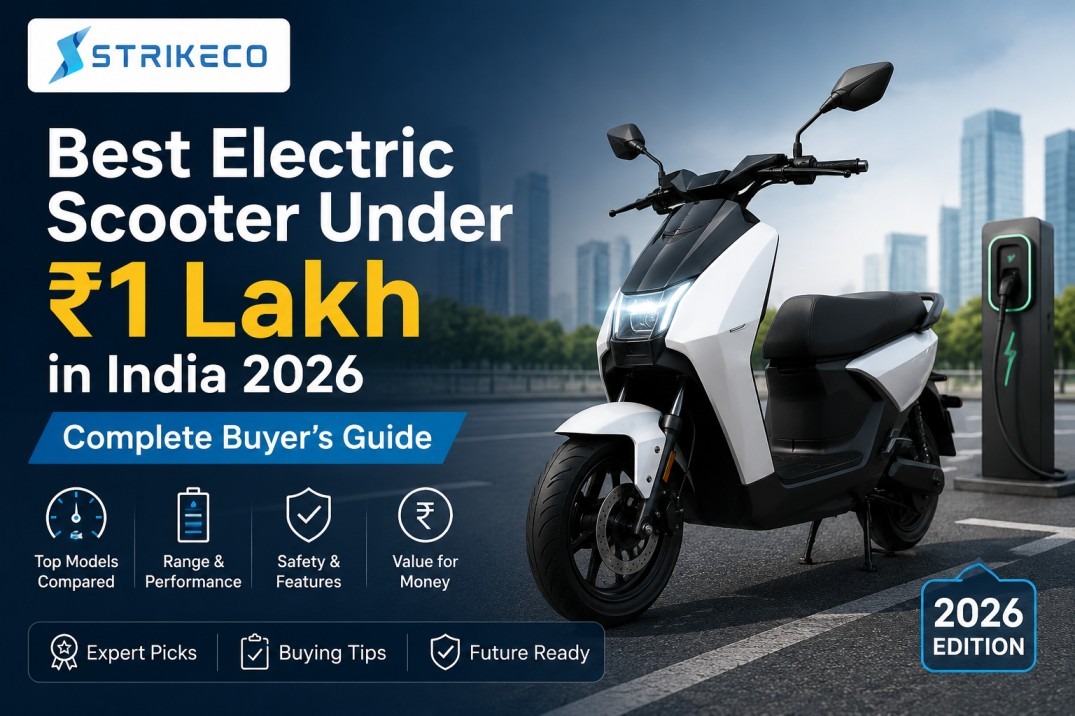
The Indian electric vehicle market is evolving rapidly, and electric scooters have become one of the most practical mobility solutions for urban commuting. With rising fuel prices, government incentives, and growing environmental awareness, more buyers are searching for the best electric scooter under ₹1 lakh in India.
However, choosing the right EV scooter in 2026 is no longer just about price. Buyers now compare battery technology, charging speed, motor efficiency, range, smart features, warranty coverage, and long-term maintenance costs before making a purchase.
This complete buyer’s guide will help you understand what matters most when selecting an electric scooter under ₹1 lakh and how to make a future-ready decision.
Why Electric Scooters Are Growing Rapidly in India
India’s EV adoption has accelerated due to multiple factors:
Increasing petrol prices
Lower running costs
Government EV subsidies
Improved lithium-ion battery technology
Expansion of charging infrastructure
Smart mobility preferences among younger buyers
Electric scooters are especially popular in cities because they offer low operational costs and smooth riding experiences for daily commuting.
For many users, an EV scooter is no longer an alternative — it has become the primary mode of transport.
What Should You Expect Under ₹1 Lakh?
The ₹1 lakh segment is currently one of the most competitive EV categories in India. Buyers can expect:
Practical riding range
Decent top speed
Smart digital features
Lightweight design
Low maintenance requirements
Improved battery management systems
Modern electric scooters in this range are designed for:
Office commuting
Student transportation
Short-distance city travel
Delivery and business use
Eco-friendly urban mobility
The key is finding the right balance between affordability, performance, and reliability.
Important Factors to Consider Before Buying an Electric Scooter
1. Battery Type and Capacity
The battery is the heart of every electric scooter.
Most modern scooters now use:
Lithium-ion batteries
LFP (Lithium Iron Phosphate) batteries
Advanced battery management systems (BMS)
Lithium-ion batteries are preferred because they offer:
Faster charging
Longer life cycles
Better energy density
Reduced maintenance
Lightweight construction
Battery capacity directly impacts riding range.
2. Real-World Riding Range
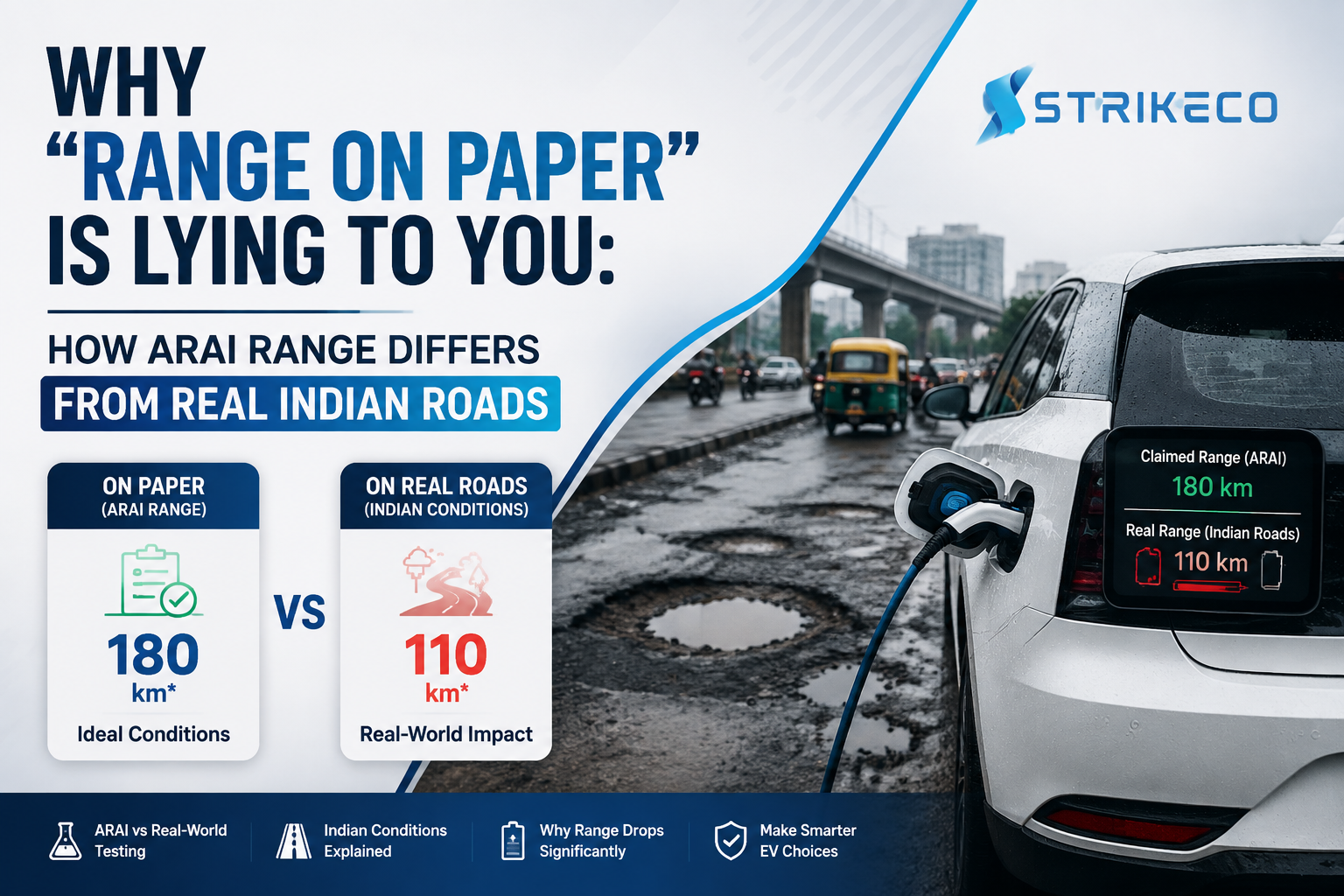
Manufacturers often advertise ideal test-condition range numbers. However, actual riding range depends on:
Rider weight
Road conditions
Traffic
Riding mode
Weather conditions
Battery health
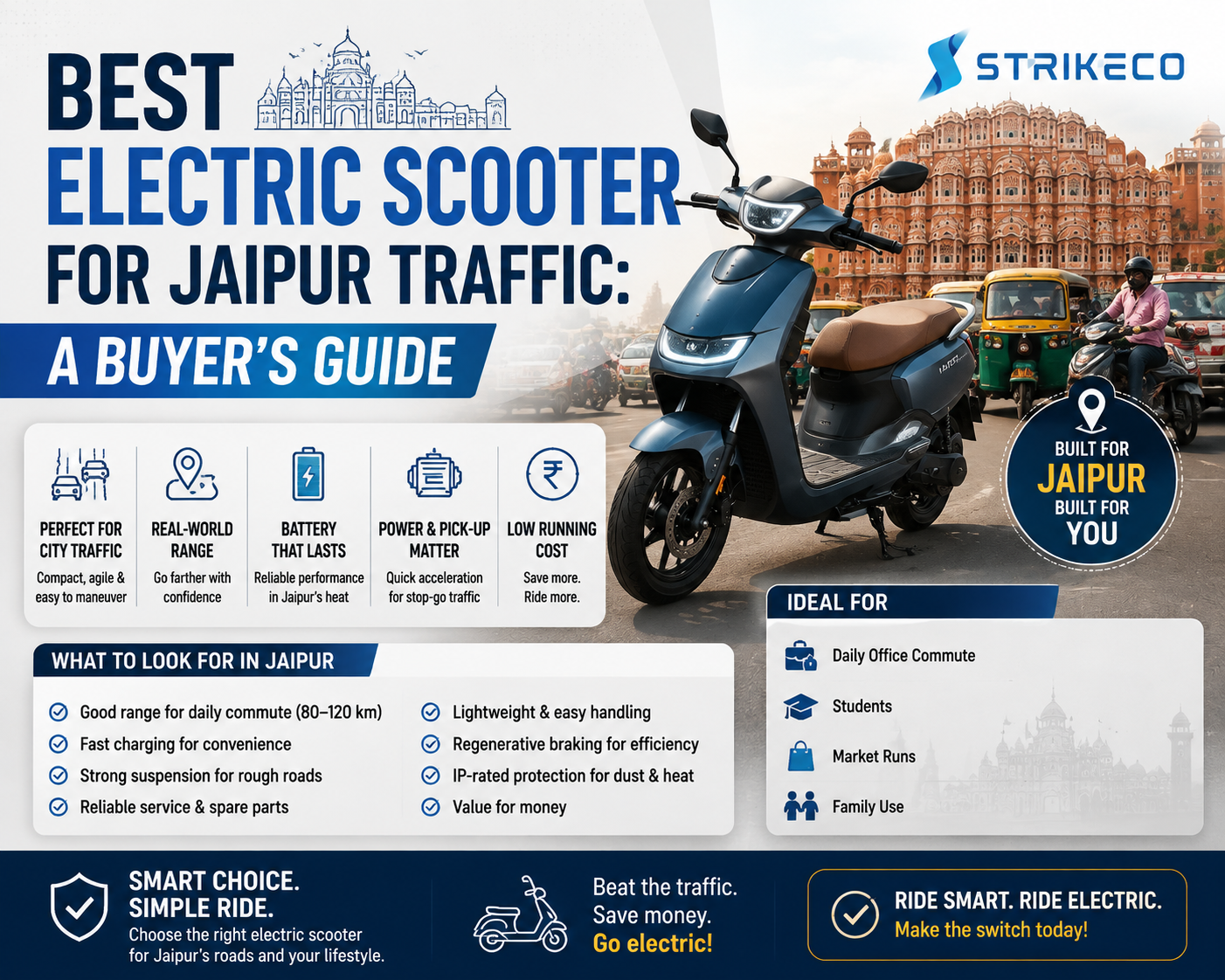
For daily city commuting, a practical range of 80–120 km is generally sufficient.
Buyers should prioritize real-world performance rather than marketing claims.
3. Motor Power and Performance
Electric scooters typically use:
BLDC motors (Brushless DC motors)
Hub motors
Mid-drive motors
Higher wattage motors provide:
Better acceleration
Improved hill-climbing ability
Enhanced load capacity
For city use, smooth acceleration and energy efficiency matter more than extreme top speed.
4. Charging Time
Charging infrastructure continues to improve across India, but charging time remains an important factor.
Most scooters under ₹1 lakh offer:
4–6 hour standard charging
Portable charging support
Home charging compatibility
Fast charging capabilities are becoming increasingly important for modern buyers.
5. Battery Warranty and After-Sales Support
Battery replacement is one of the biggest long-term EV expenses.
Before purchasing, always check:
Battery warranty duration
Charging cycle coverage
Service network availability
Spare parts accessibility
A strong after-sales support system significantly improves ownership experience.
Smart Features Buyers Expect in 2026
Electric scooters are becoming smarter every year.
Popular smart features include:
Digital instrument clusters
Mobile app connectivity
GPS tracking
Anti-theft systems
Reverse assist
Regenerative braking
OTA software updates
Riding analytics
Smart connectivity enhances convenience and improves vehicle monitoring.
Cost Comparison: Electric Scooter vs Petrol Scooter
One major reason behind EV adoption is lower operational cost.
Petrol Scooter:
Fuel cost fluctuations
Higher servicing expenses
Engine maintenance
Oil changes
Electric Scooter:
Lower running cost per kilometer
Minimal servicing
Fewer moving parts
Reduced maintenance expenses
Over time, electric scooters become significantly more cost-effective for regular commuters.
Government Incentives and EV Policies in India
India continues to support EV adoption through:
State-level EV subsidies
Reduced registration charges
Lower road taxes
Charging infrastructure investments
Policies promoting clean mobility have made electric scooters more accessible to middle-income buyers.
Government support is expected to continue expanding through 2026.
Common Mistakes Buyers Make
Choosing Only Based on Price
Low pricing alone should never determine your decision. Poor battery quality and weak service support can create higher long-term costs.
Ignoring Charging Infrastructure
Before buying, ensure charging access at:
Home
Workplace
Nearby charging stations
Convenient charging improves practicality.
Overlooking Battery Safety
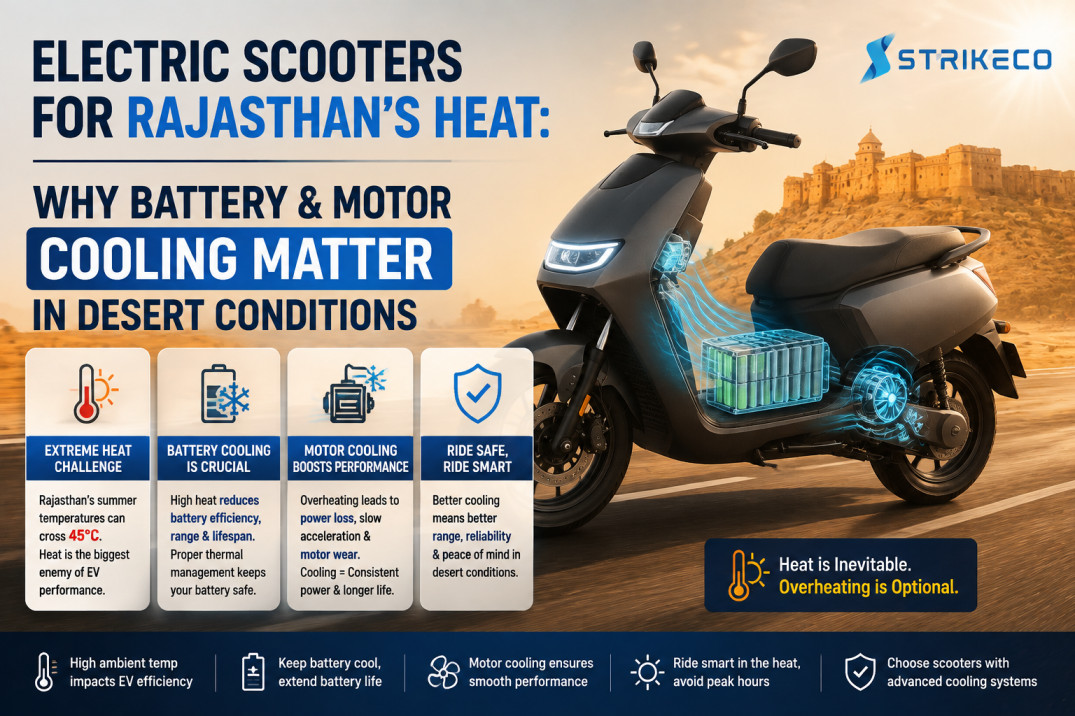
Battery quality and thermal management are extremely important in Indian weather conditions.
Choose scooters with:
Certified battery systems
Thermal protection
Smart BMS integration
Safety should always be prioritized.
Why Build Quality Matters
Indian roads demand durable suspension systems and strong chassis quality.
Look for:
Stable frame construction
Reliable braking systems
Good ground clearance
Tubeless tyres
Water-resistant components
Durability directly impacts long-term ownership satisfaction.
Best Electric Scooter Usage Scenarios
Different buyers have different needs.
For Students
Lightweight design
Lower charging costs
Easy handling
For Office Commuters
Long range
Comfortable seating
Smart connectivity
For Delivery Use
Battery efficiency
Load handling
Lower maintenance
Understanding your primary use case helps narrow the best choice.
Role of Regenerative Braking
Regenerative braking is becoming increasingly common in modern EV scooters.
This system:
Converts braking energy into battery power
Improves efficiency
Enhances riding range
Reduces brake wear
While gains are moderate, regenerative systems improve overall energy management.
How Weather Affects EV Scooter Performance
Indian climate conditions impact battery efficiency.
Hot Weather:
Faster battery heating
Reduced charging efficiency
Rainy Conditions:
Waterproofing becomes critical
Motor protection matters
Cold Conditions:
Slight range reduction
Proper battery management systems help maintain stable performance across climates.
Future of Electric Scooters in India
The EV market in India is expected to expand aggressively by 2030.
Key trends include:
Improved battery density
Faster charging technologies
Better affordability
Expanded charging networks
AI-powered vehicle diagnostics
Connected mobility ecosystems
Electric scooters will continue replacing traditional fuel-based commuting in urban areas.
Why Buyers Should Research Before Purchasing
An electric scooter is a long-term investment. Buyers should evaluate:
Real-world reviews
Service support
Battery reliability
Brand reputation
Spare availability
Warranty coverage
Thorough research prevents ownership dissatisfaction later.
For updated EV solutions and electric mobility innovations, buyers can explore offerings from www.strikeco.co.in/.
The best electric scooter under ₹1 lakh in India in 2026 depends on your specific commuting needs, riding habits, and long-term expectations.
Instead of focusing only on top speed or promotional offers, buyers should prioritize:
Battery quality
Safety features
Range reliability
Charging convenience
After-sales support
Overall ownership cost
As India transitions toward cleaner mobility, electric scooters are becoming smarter, safer, and more practical than ever before.
Making an informed decision today ensures better savings, sustainability, and riding experience in the years ahead.